From autopilot to presence
There was a time when I was just going through the motions. As a media designer, I was hitting deadlines, nailing client presentations, delivering creative work on demand — and somewhere along the way, I stopped being present. I was only reacting. To briefs, to criticism, to stress. Life was happening around me, not through me.
Meditation and breathwork — what began as a desperate attempt to come up for air — didn’t just help me find my footing again. They showed me what it actually means to be alive. What it feels like to be present. Not perfect. Not always calm. But awake.
Today I work as Head of Brand Strategy and teach meditation and Pranayama on the side — not as a business, but as a way of giving something back. Despite many setbacks, I’ve been fortunate in life. And I want to be a source of inspiration for others — without charge, because this isn’t about earning. It’s about helping.
I’ve stopped separating these two worlds. Because mindfulness isn’t a leisure activity. It’s an orientation — one that changes how we work, how we lead, and how we show up for other people.
Why we skip the pause exactly when we need it most
We all know the feeling: the presentation is due in two hours, three meetings overlap, the inbox is overflowing. And in exactly those moments, we think: “I don’t have time for this.”
But that’s precisely the moment when a pause — even just two minutes of conscious breathing — can make the difference between reactivity and deliberate choice. Between a day that swallows you whole and a day you actually shape.
What I’ve learned: when my breath goes shallow, when my shoulders tighten, I’m no longer present. I’ve slipped into survival mode — my nervous system running at full throttle. A few slow, unhurried breaths through the nose is often all it takes. That’s it. And it changes everything.
The most important space in your workday: between stimulus and response
A colleague criticizes your idea. Your manager questions your decision. A client is unhappy. Your first impulse? Probably to defend yourself. Justify. Maybe get angry.
But between that stimulus and your response, there’s a tiny gap. A moment of freedom. And in that gap, you get to choose: do I react automatically — or do I respond with intention?
The Austrian neurologist and psychiatrist Viktor Frankl put it this way: between stimulus and response there is a space, and in that space lies our power to choose. In our response lies our growth and our freedom.
That space is created by mindfulness. By consciously noticing: what’s happening inside me right now? Where do I feel this in my body? What story am I telling myself about this situation?
And then — the choice. Not the first, loudest reaction. But the one that aligns with who I want to be. The one I won’t regret by evening.
A former teacher once told me: “Take one step back inwardly, and feel into the situation.”
This isn’t mysticism. It’s emotional maturity. And it’s a skill you can practice.
What has helped me — and what I pass on to others
I don’t believe in rigid, one-size-fits-all meditation programs. Mindfulness has to feel natural and fit the person — otherwise it becomes an obligation, and obligations don’t transform anything.
Here’s what works for me:
Start your workday slowly.
Skip the emails. Leave the first call for later. Not because you have to. Clear your desk. Make a coffee or tea. Drink the first sip with full attention. Ask someone how they’re doing — and actually listen. This takes ten minutes. Your emails will wait. They really will.
Breathe before you respond.
When something triggers you — an email, a comment, a criticism — take three slow, conscious breaths in through the nose, and let the exhale release on its own without forcing it. Then respond. This isn’t spiritual indulgence. It’s self-leadership.
Notice what gives you energy — and what drains it.
Spend one day writing down which activities recharge you and which ones deplete you. Not to eliminate everything unpleasant — that’s not possible anyway. But to get a feel for where you can recalibrate. Where you need more space for what nourishes you. And what you might be able to release with a little more ease.
Question your interpretations.
“My manager is disappointed in me.” — Is that actually true? Or is it a story you’re telling yourself? What exactly was said? What else could it mean? Ask. Clarify. Mindfulness also means: fewer assumptions, more clarity. Less drama, more reality.
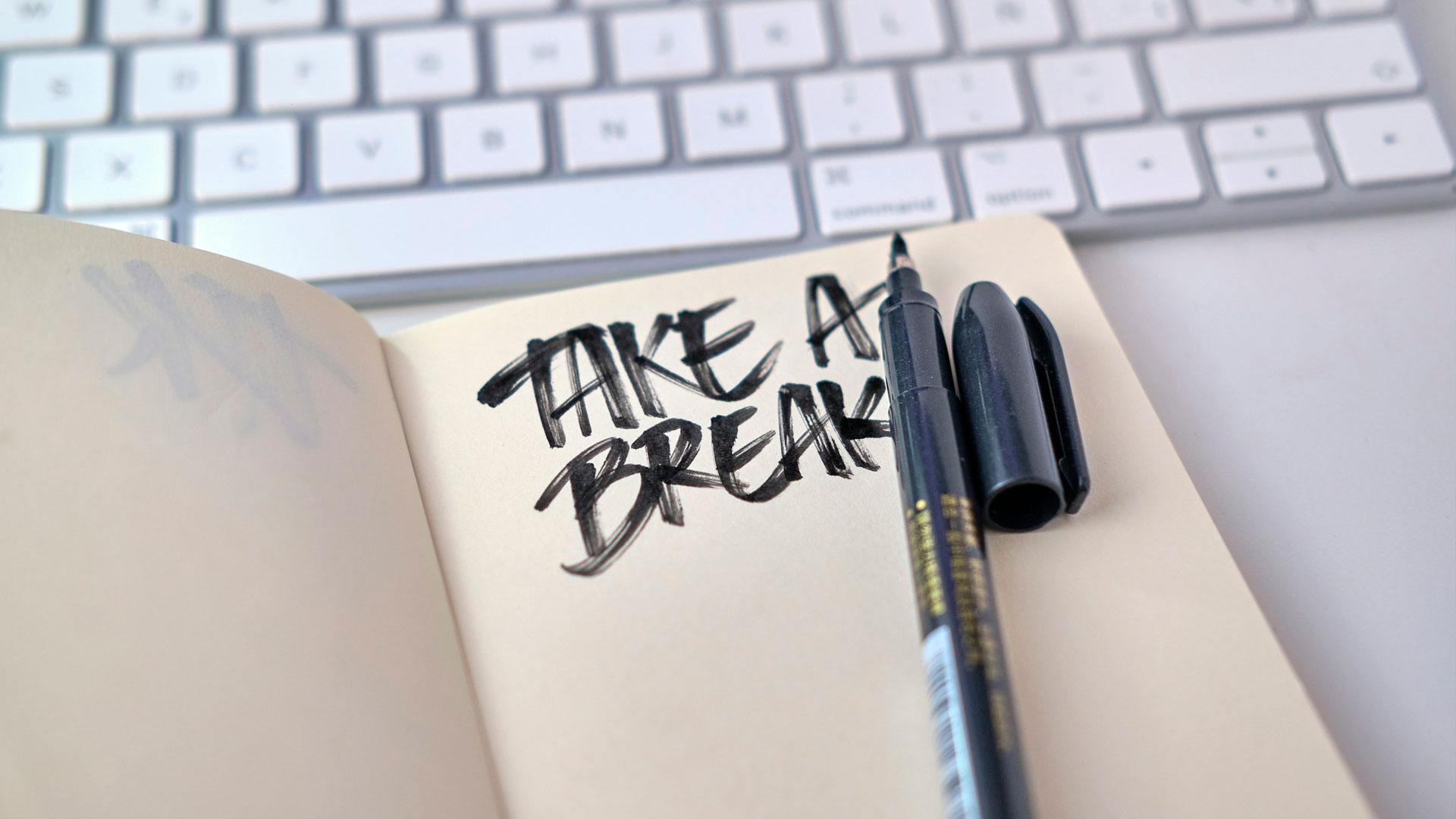
Take breaks — especially when you think you can’t afford to.
The most productive people are often not those who push through. They’re the ones who know when to stop. A break isn’t weakness. It can be one of the most honest acts of self-care there is.
What mindfulness actually changes — and why it’s not about perfection
Mindfulness won’t make you perfect. It won’t make you permanently calm. It won’t make you infallible. But it gives you the ability to choose more consciously. To think more clearly. To respond with more empathy. To be more present — for yourself and for the people around you.
I’m a better strategist today because I’ve learned to pause. A clearer colleague because I question my reactions. A more present human being because I’ve understood: life isn’t happening someday. It’s happening now. Not yesterday, not tomorrow.
And it begins with a single conscious breath →.
Maybe you take that breath today. Right now, in this moment. Not because you have to. But because you can.
That’s mindfulness. And it’s available to all of us — we just have to discover it for ourselves.